
Meet our Team
What is Chronic Venous Insufficiency?
Chronic Venous Insufficiency occurs when the tiny, one-way valves in your leg veins become damaged or weakened. Normally, these valves act as “doors” that keep blood flowing upward toward the heart.
When these valves fail, a process known as venous reflux, gravity causes blood to pool in the lower legs. This buildup of pressure (venous hypertension) stretches the vein walls and leads to the visible and physical symptoms of vein disease.
How Recognizing the Symptoms of CVI.
CVI is a progressive disease, meaning symptoms often worsen over time if left untreated. Patients at Vein Clinic and Med Spa often report the following:
- Leg Swelling (Edema): Particularly around the ankles and calves after sitting or standing.
- Heaviness and Fatigue: A “weighted” feeling in the legs that intensifies by the end of the day.
- Restless Leg Syndrome: An uncontrollable urge to move your legs, especially at night.
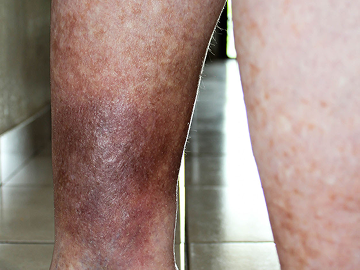
- Skin Changes: Discoloration (reddish-brown patches), leathery texture, or persistent itching.
- Varicose Veins: Bulging, twisted veins that are a primary visible indicator of underlying reflux.
- Venous Ulcers: Open sores near the ankles that are slow to heal.
Who is at Risk for Vein Disease?
Understanding your risk factors is the first step toward prevention. You may be more likely to develop venous insufficiency if you:
- Have a family history of varicose veins or blood clots.
- Have a lifestyle or career that requires prolonged standing or sitting.
- Are over the age of 50.
- Have experienced pregnancy, which increases blood volume and pressure on leg veins.
- Are managing excess body weight or a sedentary lifestyle.
Clients Success Stories
Posted onTrustindex verifies that the original source of the review is Google. Now this place looks next level, the team has done a really good job in making my experience better. Especially Doctor Sharath is very professional with his approach and goes above and beyond to reach my expectations. Initially, I was very nervous but the team made me comfortable to make me go through the initial steps. Highly recommend giving it a try I can bet you will not be disappointed.Posted onTrustindex verifies that the original source of the review is Google. Dr. Reniguntala has been an incredible doctor. Throughout this process he has been informative, thorough, and compassionate with his care. He takes the time to explain each step and how to maximize weight loss for my body type. I have already been able to tell a difference, in just 8 weeks I’ve lost over 20 pounds! Excited for the rest of this journey with this team!Posted onTrustindex verifies that the original source of the review is Google. Dr. Reniguntala is the best!! Answered all my questions that I needed for weight loss. I completely recommend to call their office very clean and well out together. Loved his staff very nice and accommodating to your needs and any question you may have.Posted onTrustindex verifies that the original source of the review is Google. Dr. Renuguntala and the staff at the Vein Clinic are wonderful. Everyone is very kind. Dr. Renuguntala is very knowledgable about medical weight loss and answered all my questions along the way. I never got a “sales pitch”. He listened to all my concerns and my goals and suggested the best medication for me. I highly recommend the Vein Clinic for weight loss!Posted onTrustindex verifies that the original source of the review is Google. I had a great experience with Dr. Reniguntala. The staff was professional and attentive, explaining everything clearly and tailoring the plan to my needs. The office was very nice and clean. Thanks to their support, I’ve lost over 15 pounds in two months and feel healthier and more confident than ever. thank you Dr. Reninguntala I'll be referring you to my friends and familyPosted onTrustindex verifies that the original source of the review is Google. Very happy with the weight loss treatment plan and goals set by Dr. Reniguntala. Happy with my results. Highly Recommend this place!Posted onTrustindex verifies that the original source of the review is Google. Dr. Reniguntala is amazing! He was very patient and answered all of my questions and eased any concerns I had! I am very pleased with the results and would recommend him to anyone looking to permanently get rid of those unsightly varicose veins!Posted onTrustindex verifies that the original source of the review is Google. From start to finish. nothing short of amazing. The clinic itself is stunning—modern, clean, and beautifully decorated. It is such a calm and welcoming environment. Dr. Renigutala is truly exceptional;, he is patient, and extremely knowledgeable. He takes the time to explain everything clearly, answer all your questions, and makes you feel completely at ease throughout the entire process. The entire staff is warm, attentive, and makes you feel like a priority. The level of care and service exceeds all expectations. You can tell they genuinely care about their patients and take pride in their work. I highly recommend!Posted onTrustindex verifies that the original source of the review is Google. A thoughtful doctor who listens attentively and addresses patient needs comprehensively, and with compassion. A great experience and welcome environment.Posted onTrustindex verifies that the original source of the review is Google. Dr. Reni really takes time to care into his patients and treatments! He really is very knowledgeable and experienced. Recommended!
Frequently Asked Questions
Is Chronic Venous Insufficiency dangerous?
While not immediately life-threatening, untreated CVI can lead to serious complications such as Deep Vein Thrombosis (DVT), permanent skin thickening, and painful leg ulcers. Early intervention is the best way to avoid these risks.
Can CVI be cured with exercise?
Exercise (especially walking) strengthens the calf muscles, which helps pump blood back to the heart. While it can manage symptoms, exercise cannot “fix” a valve that has already failed. Medical treatment is usually required to close the diseased vein permanently.
Will insurance cover my CVI treatment?
Because CVI is a circulatory disorder, most major insurance providers and Medicare cover treatments when they are deemed medically necessary to relieve symptoms like pain, swelling, or skin changes.